
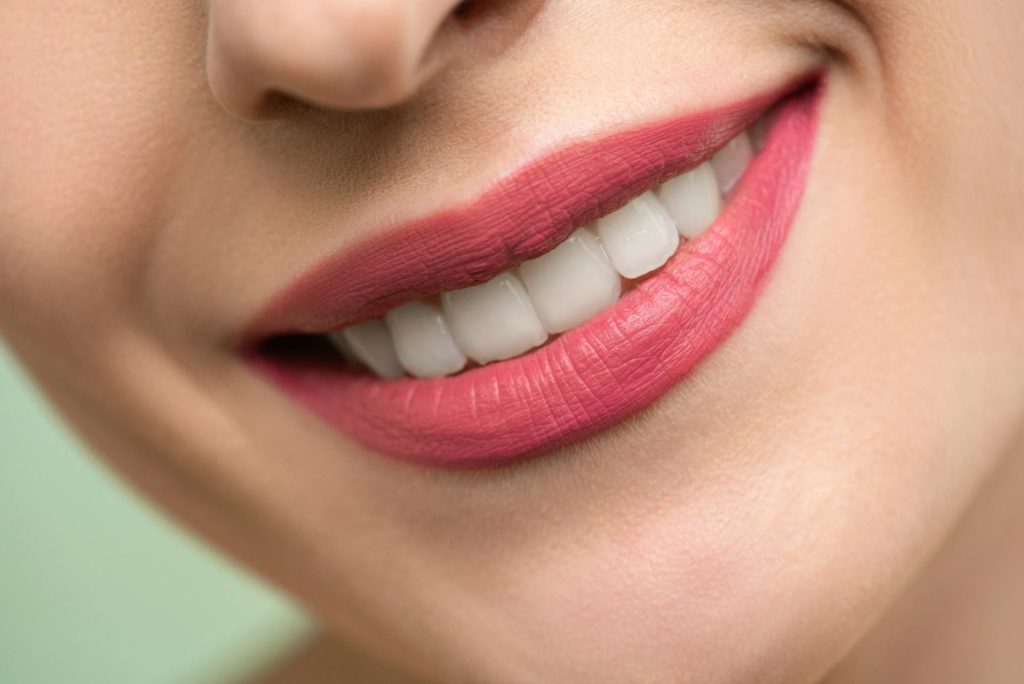
A bright smile often feels like an instant confidence boost. Yet many people notice their freshly polished teeth start to dull faster than expected. The reason is simple: daily habits either protect or shorten the life of whitening results. From what you sip in the morning to how you care for your enamel at night, your choices matter. Understanding how lifestyle affects whitened teeth helps you keep results that last well beyond the treatment. After all, teeth whitening is only the first step — maintenance is where the real difference shows.
How Diet Influences Whitening Results
Food and drink leave a bigger mark than most realize. Coffee, tea, red wine, and dark sauces are notorious for staining enamel. Even healthy choices like berries can leave pigments behind. Choosing lighter-colored foods or rinsing with water afterward makes a noticeable difference. It’s not about cutting everything enjoyable from your diet but being mindful about moderation.
Smoking And Its Immediate Impact
Few habits undermine whitening results as quickly as smoking. The tar and nicotine don’t just stain; they seep deep into enamel pores. This is why even freshly whitened teeth can appear yellowed again within weeks if smoking continues. Quitting or reducing smoking doesn’t just help teeth — it improves overall health, too.
Oral Hygiene Routines That Support Longevity
Brushing twice daily with a gentle fluoride toothpaste strengthens enamel and helps prevent stain build-up. Flossing also plays a role, clearing out food particles that cause plaque. Adding a whitening-friendly mouthwash gives extra protection, especially for people who enjoy coffee or wine. Consistency is key here; occasional effort won’t prevent gradual discoloration.
Hydration And Saliva’s Natural Role
Water plays an underrated role in maintaining brightness. Staying hydrated encourages saliva production, which naturally washes away stain-causing particles. Think of saliva as the body’s built-in mouth rinse. Carrying a water bottle not only benefits health overall but also helps keep teeth looking their best.
Why Sleep Habits Matter
Rest affects every part of health, and oral health is no exception. Poor sleep increases the risk of teeth grinding, which wears enamel and dulls brightness. Using a night guard, when recommended by a dentist, protects both whitened teeth and jaw comfort.
Conclusion
The longevity of whitened teeth doesn’t depend only on the initial treatment but also on everyday choices. Avoiding heavy staining foods, reducing smoking, practicing consistent oral hygiene, and prioritizing hydration all help keep results brighter for longer. When people pay attention to these factors, they often find their smile still looks fresh months later. For expert guidance, clinics like Nuffield Dental often remind patients that aftercare matters just as much as the whitening itself.
FAQs
1. How Long Does Professional Whitening Usually Last?
Results often last between six months and three years, depending on habits.
2. Does Drinking Through A Straw Really Help?
Yes. A straw reduces contact between staining liquids and enamel.
3. Can Whitening Strips Replace Professional Care?
They may help maintain brightness but rarely match professional depth.
4. Are Electric Toothbrushes Better For Whitened Teeth?
They can be more effective at removing surface stains, extending results.
5. Should I Avoid All Dark Foods After Whitening?
Not entirely — just be mindful, rinse after, and practice good hygiene.