
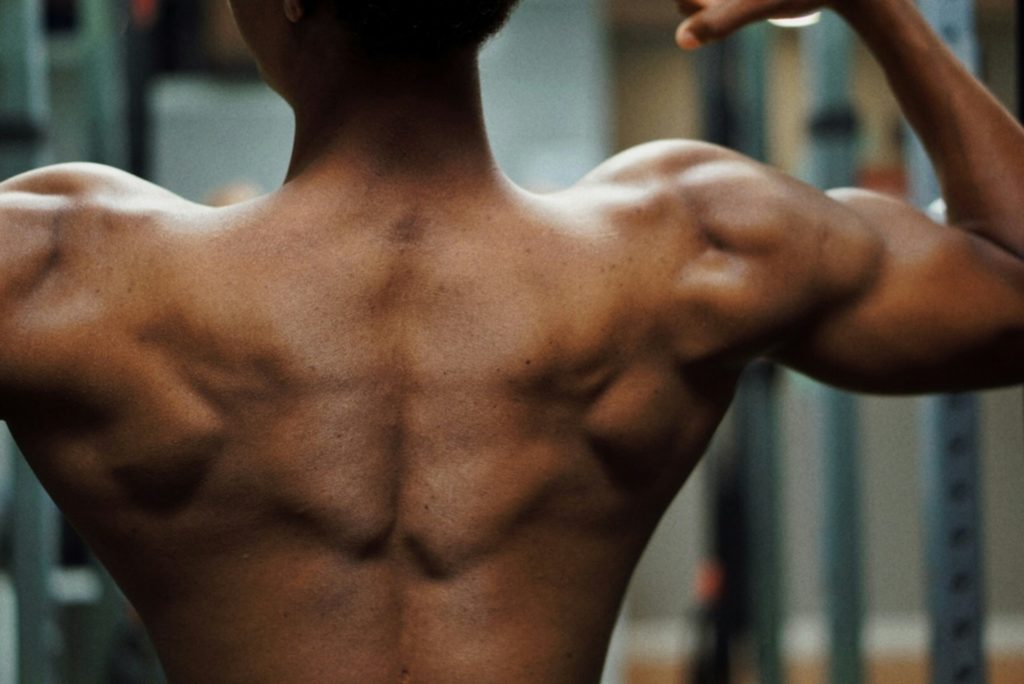
Rotator cuff injuries are among the most common causes of shoulder pain, affecting athletes, laborers, and everyday individuals alike. The rotator cuff is a group of muscles and tendons that stabilize the shoulder joint and allow for a wide range of motion. When damaged, even simple tasks such as lifting groceries or reaching overhead can become painful and difficult. Understanding how to protect, treat, and heal your rotator cuff is vital to maintaining mobility and preventing long-term issues.
Understanding the Risks of Neglect
Many people underestimate the seriousness of shoulder injuries, often dismissing early pain as something that will pass with rest.
While mild discomfort can sometimes subside on its own, ignoring ongoing shoulder pain can have serious consequences. Medical professionals often warn about the risks of not treating rotator cuff tear, which may include worsening pain, reduced strength, limited mobility, and eventual degeneration of shoulder function. Left untreated, what might begin as a minor tear could progress into a more severe injury, sometimes requiring surgery or leading to permanent disability.
Early evaluation and professional treatment ensure a higher chance of recovery without complications.
Causes of Rotator Cuff Injuries
Rotator cuff injuries can occur for many reasons, but they generally fall into two categories: acute injuries and degenerative changes. Acute injuries often result from sudden movements, heavy lifting, or accidents, while degenerative injuries build up due to repetitive use, aging, or poor posture.
Activities such as painting, swimming, or tennis can strain the shoulder tendons. As we get older, the tendons lose elasticity and strength, making them more prone to tears. Falls, lifting heavy objects, or accidents can cause immediate damage. Understanding the cause helps in tailoring the right treatment plan and adopting preventive strategies.
Recognizing the Symptoms
Identifying a rotator cuff injury early is critical to avoiding long-term consequences. Symptoms may vary depending on the severity of the tear, but generally include:
- Persistent shoulder pain, particularly when lifting the arm.
- Weakness in the affected shoulder that makes it difficult to perform overhead activities.
- Limited range of motion or stiffness.
- Clicking or popping sounds when moving the arm.
Anyone experiencing these symptoms should seek medical attention promptly. Early intervention often means a faster, less invasive recovery.
Treatment Options Available
Treatment for rotator cuff injuries varies depending on severity. In mild cases, rest, ice, and anti-inflammatory medications may be sufficient. Physical therapy is often prescribed to strengthen the surrounding muscles and improve flexibility.
For more severe tears, medical professionals may recommend corticosteroid injections to reduce inflammation or even surgical repair if the damage is extensive. Surgery is usually a last resort, but it is sometimes unavoidable when tears fail to heal with conservative care.
Rehabilitation following surgery is equally critical, involving months of guided exercises to restore strength and motion.
Preventive Strategies for Shoulder Health
Prevention plays a huge role in reducing the likelihood of rotator cuff injuries. Strong, flexible muscles protect the tendons from unnecessary strain. Some preventive strategies include:
- Strength training: Focusing on the shoulder, chest, and back muscles improves support.
- Stretching routines: Gentle stretches keep the shoulder flexible and less prone to stiffness.
- Good posture: Maintaining proper alignment reduces stress on the shoulder joints.
- Safe lifting techniques: Using the legs rather than the shoulders when lifting prevents undue strain.
By adopting these practices, individuals can significantly lower their risk of developing rotator cuff problems.
The Role of Rehabilitation
Rehabilitation is often the most critical phase in rotator cuff healing. Whether following non-surgical treatment or post-surgery, structured physical therapy ensures optimal recovery. Therapists guide patients through progressive exercises that gradually restore strength and mobility without overloading the healing tendons.
Adherence to therapy schedules is important. Skipping exercises or rushing the process can delay healing or even cause reinjury. A carefully managed rehabilitation program restores function and improves long-term outcomes by reducing the risk of future shoulder issues.
Long-Term Outlook and Lifestyle Adjustments
The long-term success of rotator cuff healing depends heavily on lifestyle adjustments. Avoiding repetitive overhead motions, managing workloads effectively, and continuing strengthening exercises are all key to maintaining shoulder health. For athletes and active individuals, adopting proper warm-up routines and incorporating rest days into training schedules can minimize reinjury risks.
Staying proactive with regular checkups ensures that any recurrence of pain or weakness is addressed quickly. With the right combination of treatment, rehabilitation, and lifestyle management, many individuals regain full function and lead active, pain-free lives.

Protecting and healing the rotator cuff requires a proactive, informed approach. From understanding the risks of untreated injuries to adopting preventive strategies and following through with rehabilitation, every step contributes to long-term shoulder health. While these injuries can be frustrating and limiting, early intervention and consistent care dramatically improve the chances of full recovery. By taking action at the first signs of pain, individuals can safeguard their mobility, reduce their risk of long-term complications, and continue enjoying the activities they love.