
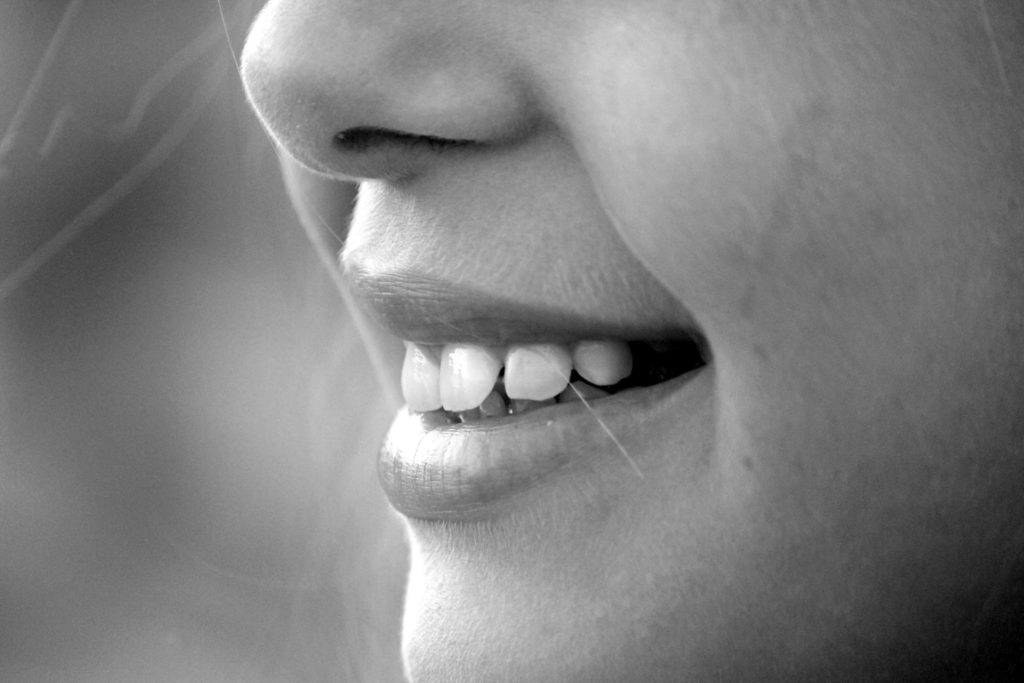
Dreaming of a whiter smile but held back by sensitive teeth?
You’re not alone. Millions of people would love to have whiter teeth, but they just don’t know if they can handle the pain of teeth whitening. And here’s the thing…
You no longer have to choose between a beautiful smile and tooth sensitivity.
With the right care and options available in 2023, even those with sensitive teeth can safely enjoy whitening. It’s all about using the right approach and knowing what products and treatments work best for your smile. Let’s explore…
Your Personal Teeth Whitening Guide:
- Why do sensitive teeth react to whitening?
- Professional vs at-home teeth whitening for sensitive teeth
- Best teeth whitening options for sensitive teeth
- Tips to minimize sensitivity during teeth whitening
Why do sensitive teeth react to whitening?
Before we jump into the various whitening options and treatments, it helps to understand first what causes sensitivity to occur.
This is the short version of what happens…
Whitening products are applied to teeth and contain bleaching agents that remove stains. The most common are hydrogen peroxide or carbamide peroxide, which penetrate enamel to reach the soft dentin layer underneath.
If you have sensitive teeth, the whitening process can activate this sensitivity. The bleaching agents cause the microscopic tubules in your dentin to open up, which exposes the nerves within your teeth.
That’s what causes that uncomfortable, sharp sensation.
The good news is, with 30-78% of people experiencing sensitivity during whitening, for most people, it’s mild to moderate and temporary.
Professional vs at-home teeth whitening for sensitive teeth
Ok, so what’s the better whitening approach for sensitive teeth?
The answer depends on your unique situation and how severe your sensitivity is. Professional and at-home whitening each have their place in whitening treatments, so let’s explore the pros and cons of each:
Professional whitening
Professional whitening treatments are performed by your dentist, trained dental hygienists or qualified dental care services providers. A Leichhardt dentist can tailor the teeth whitening process specifically for people with sensitive teeth, by controlling the bleach strength and how long it is applied for.
This is the biggest advantage. The dentist or hygienist can also apply gum protections, along with pre and post desensitizing treatments which significantly reduce sensitivity.
Professional treatments are also faster, because the bleach concentration can be higher in a controlled clinical environment. Fewer applications are needed, and the overall exposure to bleaching agents is reduced.
At-home whitening
Advances in at-home whitening technology have really improved in recent years.
The best modern at-home options are specifically designed for people with sensitive teeth and use lower concentrations of bleaching agents. Carbamide peroxide at 10% is most common. The trade-off is that the results take longer.
The key is to select products that have been specifically designed for teeth sensitivity. When buying an at-home kit look for whitening toothpaste or treatments that are specially formulated for sensitive teeth and include active ingredients such as potassium nitrate or fluoride.
The best whitening options for sensitive teeth
There are different approaches to whitening that work better for those with sensitive teeth. Here are the best options:
Lower concentration bleaching
Lower concentrations of whitening product is the safest option for sensitive teeth.
Whitening products with a lower concentration (around 10% carbamide peroxide or 6% hydrogen peroxide) are much gentler on teeth. The whitening process takes longer to see results, but it dramatically reduces sensitivity.
The trade-off is worth it for most people who have sensitive teeth.
LED-activated whitening
LED whitening systems use modern technology to enhance the whitening results, without increasing bleaching agent concentrations.
This is how it works…
The LED light “activates” the whitening gel, which then performs a more effective bleaching process at lower concentrations. This means you get better results, without the same level of sensitivity.
Professional LED-activated treatments specifically for sensitive teeth are widely available.
Whitening toothpaste
Whitening toothpaste can be a great option for mild to moderate discoloration.
Whitening toothpaste won’t deliver the same results as professional teeth whitening, but it is the gentlest approach possible. Toothpaste that includes whitening ingredients works to gradually remove surface stains on your teeth, without penetrating through the enamel.
The best part? It can be used as part of your normal dental care routine, so you don’t have to worry about triggering sensitivity.
Custom tray systems
Custom-fitted whitening trays from your dentist are the gold standard for sensitive teeth.
Whitening trays are molded by a dentist to fit your teeth like a glove, which prevents whitening gel from touching your gums and causing irritation. You have full control of the strength and application time to suit your sensitivity.
Most dental offices offer whitening trays with a desensitizing gel which also makes the process more comfortable.
Tips to minimize sensitivity during teeth whitening
Ready to make your teeth whitening process as comfortable as possible?
Try these tips to reduce sensitivity…
Use desensitizing products
Start using a desensitizing toothpaste at least 2 weeks before you begin any whitening treatment.
The active ingredients in desensitizing toothpaste like potassium nitrate or stannous fluoride, help block the nerves in your teeth. This creates a protective barrier that minimizes sensitivity during and after the whitening process.
Continue using the desensitizing toothpaste throughout your treatment and for several weeks after.
Take breaks between applications
Slow down and don’t rush your teeth whitening process.
If you’re using an at-home whitening treatment, take a break between applications. Instead of daily treatments, try every other day or every third day. This gives your teeth a rest, and prevents cumulative sensitivity.
Slow and steady is the way to go in this case.
Avoid extreme temperatures
Try to be careful about what you eat and drink while you’re whitening your teeth.
Extreme temperatures like very hot or very cold foods and drinks, can trigger sensitivity in freshly whitened teeth. Try to stick with room temperature foods for the first few days after whitening.
This simple tip can really make a big difference in your comfort level.
Follow application instructions carefully
This is obvious, but it needs to be said…
Don’t leave whitening products on your teeth for longer than instructed. The more time the bleaching agent is in contact with your teeth, the more sensitivity you will experience and the more it can damage your enamel.
Instructions have a recommended maximum application time for a reason. Set a timer and make sure you stop at that exact time.
Consider shorter application times
Adjusting the recommended application time is one of the simplest things people with sensitive teeth can do.
If the instructions say to leave the whitening product on for 60 minutes, try starting at 30 minutes and building up over time. You can still get results, it just takes a little longer.
Consult with your dentist
Don’t start a whitening treatment without first consulting with your dentist about your concerns.
Your dentist can examine your teeth and let you know what the best approach is for your specific case. They may recommend professional treatments that use specialized desensitizing protocols, or recommend specific at-home options they know work well for sensitive teeth.
Your dentist can also let you know if there are any underlying conditions that are causing your sensitivity. This needs to be treated before or along with whitening, which will make the entire process much more comfortable for you.
Bringing it all together
Sensitive teeth shouldn’t stop you from having a whiter, brighter smile.
With 67% of American adults having tried teeth whitening in some form or another, it’s safe to say that most people care about their smile. The good news is that there are now modern teeth whitening options specifically designed to accommodate sensitive teeth.
It’s all about choosing the right method and taking a patient, measured approach. Whether you choose professional whitening treatments with an experienced dentist, or carefully curated at-home products, you can get great results without experiencing avoidable pain.
The first step is to talk to your dentist about your sensitivity issues. Use desensitizing products before and during your whitening, and take regular breaks between applications. The most important tip? Be patient, and give your whitening treatment time to work.
Your beautiful, confident smile is worth the wait.